Lesson 80: Rotating Dog Enrichment to Keep Things Interesting

Rotating Dog Enrichment to Keep Things Interesting
Does your dog seem less interested in an activity they've enjoyed many times before? Sometimes, a little variety can make everyday enrichment feel fresh again.
Dogs benefit from opportunities to sniff, explore, play, learn, and engage in natural behaviors. Rotating enrichment gives you a way to offer different experiences without needing to introduce something new every day or constantly buy additional products.
The key is to make thoughtful choices based on your individual dog. Enrichment rotation isn't about offering everything at once. It's about finding a comfortable balance of variety, familiarity, safety, and enjoyment.
What Is Enrichment Rotation?
Enrichment rotation means alternating the activities, toys, and suitable chews you offer over time. Rather than repeating exactly the same activity every day, you can provide different opportunities that engage your dog's senses and interests.
For example, your dog's week might include a sniffing walk, a short training game, a food puzzle, supervised chewing, and interactive play. You can repeat favorites while occasionally introducing a different activity.
There is no universal schedule. Some dogs enjoy frequent changes, while others feel more comfortable with familiar routines. Let your dog's response guide the pace.
1. Switch Up Appropriate Chews
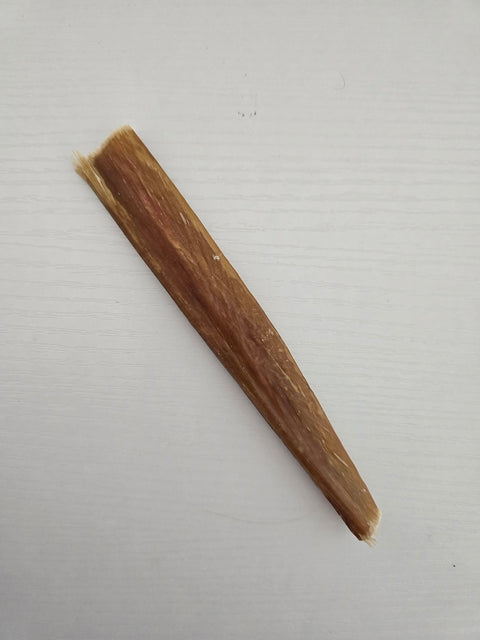
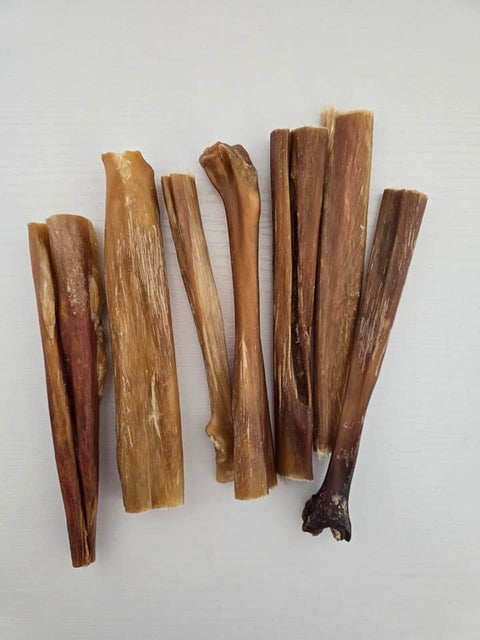
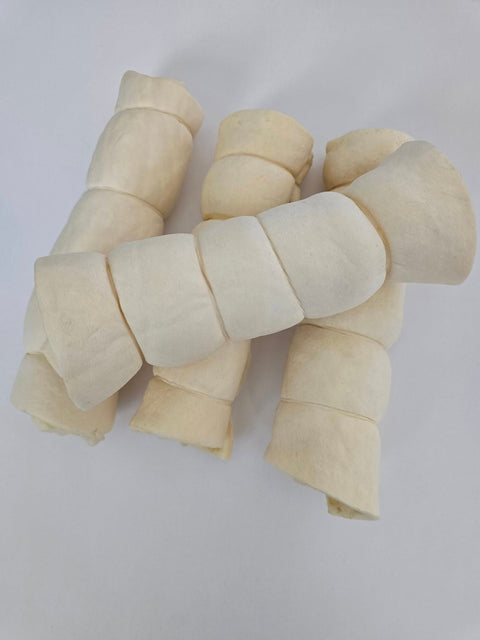
Natural dog chews can be one part of an enrichment rotation. Different shapes and textures create different chewing experiences, and some dogs may enjoy variety among suitable options.
However, a different texture or flavor doesn't automatically make a chew better or safer. Choose each item based on your dog's individual needs.
Consider:
-
Chewing style: A gentle chewer and a dog who bites down forcefully may need different options.
-
Size and shape: Select a chew that suits your dog and reduces the chance of swallowing it whole.
-
Dental health: Avoid excessively hard chews that can fracture teeth.
-
Age and abilities: Your dog's needs may change as they grow older or their physical condition changes.
-
Ingredients: Account for allergies, sensitivities, dietary restrictions, and extra calories.
Supervise every chewing session. Remove the chew if it becomes small enough to swallow whole, develops sharp or hazardous pieces, or otherwise becomes unsafe. No natural chew is completely risk-free.
You don't need to keep buying new products to create variety. Rotating among a few appropriate options you already have can be enough, as long as each item remains in good condition.
2. Change the Activity, Not Just the Chew
Enrichment includes much more than chewing. Alternating different types of activities gives your dog opportunities to use different senses and skills.
Sniffing Games
Hide a few pieces of your dog's regular food in easy-to-find locations or scatter-feed in a clean, safe area. Let your dog explore at their own pace.
Food Puzzles
Offer a dog-safe food puzzle that suits your dog's experience and abilities. Start with an easy challenge and adjust if your dog becomes frustrated.
Interactive Play
Try a short game with a favorite toy, a gentle game of tug when appropriate, or a simple training activity that rewards your dog's participation.
Exploration
Give your dog time to investigate safe surroundings during a walk or explore a new environment at a comfortable pace.
Appropriate Chewing
Offer a suitable chew under supervision when it fits your dog's needs and routine.
These activities serve different purposes, so they don't need to compete with one another. A balanced routine can include sniffing, play, learning, chewing, physical activity, social interaction, and rest.
3. Follow Your Dog's Lead
The best enrichment rotation is built around your dog—not a schedule that assumes every dog enjoys the same things.
Pay attention to what your dog chooses when given safe options. Do they spend time investigating scents? Enjoy solving food puzzles? Prefer interactive play? Settle comfortably with an appropriate chew?
Use these observations to decide what to repeat and what to change.
Also watch for signs that an activity isn't working. If your dog walks away, appears worried, becomes frustrated, or struggles with a task, simplify it or offer something else. Enrichment should be rewarding, not something your dog must complete.
Preferences can change over time. Age, mobility, health, experience, and changes in chewing habits may all affect which activities are suitable. If your dog's interest or behavior changes suddenly, consider checking with your veterinarian.
4. Introduce New Activities Gradually
Variety is helpful only when the activity is appropriate and enjoyable. Introducing too many unfamiliar experiences at once can make it harder to understand what your dog likes or how they respond.
When trying something new:
-
Start with one change. Offer a new game or a different suitable chew rather than changing the whole routine.
-
Keep it easy. Let your dog learn at their own pace.
-
Observe their response. Notice whether they seem curious, relaxed, frustrated, or uninterested.
-
Repeat what works. Familiar favorites can remain part of the rotation.
-
Adjust when needed. Make the activity simpler or choose another option if your dog isn't comfortable.
For food puzzles and new food ingredients, use dog-safe products and account for allergies, sensitivities, and daily calorie needs. For natural chews, supervise closely and check the item for damage before and during use.
5. Create a Simple Enrichment Rotation
You don't need a complicated calendar. A loose plan can help you remember to offer different experiences while remaining flexible.
Here's one example of how a dog parent might vary activities:
-
Day 1: Sniff-focused walk
-
Day 2: Short training game
-
Day 3: Appropriate supervised chew
-
Day 4: Easy food puzzle
-
Day 5: Interactive play
-
Day 6: Explore a safe new environment
-
Day 7: Repeat a favorite activity or enjoy a calm, familiar routine
This is only an example, not a requirement. Your dog can enjoy the same activity on consecutive days, and daily needs may change with weather, health, energy, or schedule.
The aim is to provide suitable opportunities over time—not to keep your dog busy every minute. Rest and quiet time are important parts of a balanced routine.
Does Your Dog Need Constantly New Experiences?
No. Dogs can benefit from familiar, predictable activities as well as occasional variety. A favorite sniffing game or a comfortable daily routine may be just as valuable as a new activity.
If your dog loses interest in something, consider whether the activity is too difficult, poorly timed, or simply not their preference. You can try adjusting it before replacing it.
And remember, reduced interest in a favorite chew or activity may sometimes signal discomfort or a health concern rather than boredom. If the change is sudden, persistent, or accompanied by other symptoms, contact your veterinarian.
Pixie's Homework: Change One Thing Today
Choose one small change to your dog's enrichment routine. You could try a sniffing game instead of a food puzzle, offer a different appropriate chew, or revisit a favorite activity in a new safe setting.
Observe your dog:
-
What catches their attention?
-
Do they seem comfortable and engaged?
-
Is the activity appropriate for their age and abilities?
-
Would they enjoy repeating it?
Use what you learn to shape a routine that fits your dog. You don't need to change everything—one thoughtful adjustment is a great place to start.
Chewsy Academy Takeaway
Enrichment isn't one-size-fits-all. A little variety can help keep your dog's mind engaged and their daily routine rewarding.
Rotate activities thoughtfully, choose chews carefully, and follow your dog's interests. Keep familiar favorites in the mix, introduce changes gradually, and always prioritize safety over novelty.
The best enrichment routine is one that suits your dog and gives them safe, enjoyable opportunities to be a dog.
Chewsy Academy provides general educational information and is not a substitute for individualized veterinary or qualified behavior-professional advice.