Lesson 72: Why Texture Matters When Choosing Natural Dog Chews

Why Texture Matters When Choosing Natural Dog Chews
Have you ever offered your dog two similar-sized chews, only to watch them enthusiastically choose one and ignore the other? 👀
Your dog may be telling you something about their preferences—and texture could be part of the reason!
Natural dog chews come in a wide range of textures, from firm and dense to fibrous, chewy, and more flexible. These differences can influence how a dog grips, investigates, and works on a chew.
Understanding your dog's preferences can help you make more thoughtful choices. But there's one important distinction to remember: a texture your dog loves isn't automatically the safest or most appropriate texture for them.
Let's explore why texture matters and how to use what you learn about your dog to make better chewing choices.
What Does Chew Texture Mean?
Texture describes how a chew feels and behaves when your dog interacts with it.
Some chews are relatively firm and dense. Others have fibrous strands that pull apart as the dog works on them. Some are thinner or more flexible, offering a different experience from dense, rigid options.
These differences can affect how your dog holds the chew, how much effort they use, and whether they find the experience interesting.
Texture is only one part of the picture, though. Size, shape, hardness, ingredients, and your dog's chewing behavior all matter when choosing an appropriate chew.
Three Common Texture Experiences
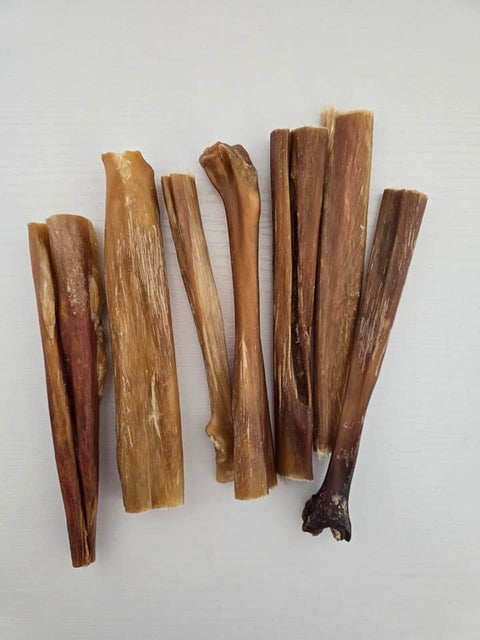
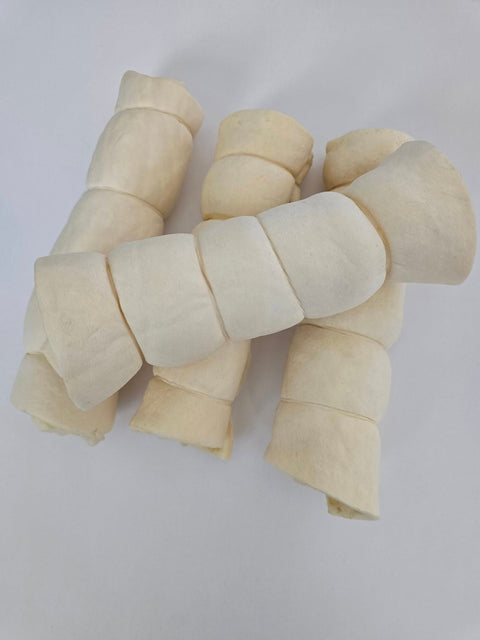
1. Firm and Dense Chews
Some natural chews have a firm, compact structure that feels different from thinner or more flexible options.
A dog may enjoy the sensation of working on a dense chew, but firmness requires careful consideration of dental safety.
Very hard chews can fracture teeth. A chew that feels durable or lasts a long time isn't necessarily the best choice for your dog.
Consider your dog's dental health, chewing force, and ability to handle the chew appropriately. Dogs who aggressively bite down or attempt to crush hard objects may be particularly vulnerable to dental injury.
If you have concerns about hardness, ask your veterinarian which chewing options are suitable for your dog.
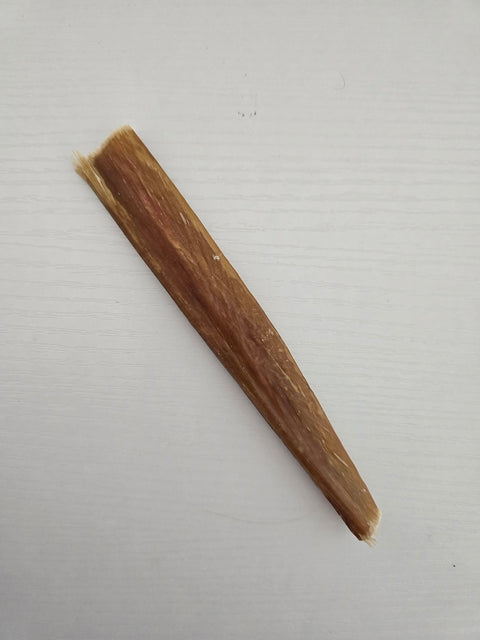
2. Fibrous and Chewy Textures
Tendons and other fibrous chews can offer a different chewing experience from dense, rigid options.
The strands and structure may change how a dog grips and works on the chew. Some dogs enjoy manipulating these textures and gradually working through them.
However, fibrous does not automatically mean safe. Pieces can loosen, become small enough to swallow, or create a choking risk depending on the product and the dog's behavior.
Watch how your dog handles the chew. If they attempt to swallow large pieces, struggle to manage it, or chew in a way that creates a safety concern, remove it.
3. Thinner and More Flexible Chews
Some ears and other lighter, thinner chews offer a different experience from compact, dense options.
A dog may prefer the way a thinner chew bends or how easily they can grip and manipulate it.
But flexibility alone does not guarantee safety. A chew can still present a choking or swallowing risk, especially if a dog gulps pieces or the remaining portion becomes small.
Choose based on your dog's individual habits and the specific chew, rather than assuming thinner options are automatically suitable for every dog.
Why Do Dogs Prefer Certain Textures?
Just like people have preferences, dogs can develop favorites when it comes to chewing experiences.
One dog may enjoy a fibrous chew, while another prefers a familiar texture they can grip comfortably. Some dogs investigate a new option before deciding whether to engage with it.
Preferences may be influenced by several factors:
-
Past experiences: Your dog may return to textures they've enjoyed before.
-
Chewing style: The way your dog grips and works on a chew can influence which textures appeal to them.
-
Mouth comfort: Dogs with dental sensitivity or oral health problems may avoid certain options.
-
Shape and grip: A chew's structure may affect how easily your dog can hold and manipulate it.
-
Interest and familiarity: A new texture may invite exploration, while a familiar one may be more appealing.
A preference is useful information, but it doesn't prove that a chew is appropriate. Your job is to consider what your dog enjoys alongside safety and suitability.
Texture, Hardness, and Safety Are Not the Same Thing
It's easy to treat texture and hardness as if they mean the same thing, but they describe different characteristics.
-
Texture refers to the feel and structure of the chew.
-
Hardness refers to how resistant the material is to being compressed, dented, or broken.
-
Durability describes how well the chew withstands use over time.
A fibrous chew may have a very different structure from a dense chew, but that doesn't automatically tell you whether it is safe for your dog.
Likewise, a chew that lasts a long time isn't necessarily more appropriate or more beneficial.
Avoid choosing a chew simply because it is extremely hard or durable. Very hard chews can damage teeth, and any chew can present risks if the dog handles it inappropriately.
There is no single texture or hardness that works for every dog.
How to Choose the Right Texture for Your Dog
Before offering a chew, consider these six factors.
Age and life stage
Puppies, adult dogs, and senior dogs may have different chewing needs. Developmental changes, tooth loss, and age-related sensitivities can affect which options are appropriate.
Size and shape
Choose a chew that suits your dog's mouth and body size. Consider how your dog grips it and whether the shape could create a choking hazard or allow the chew to be swallowed whole.
Dental health
Dogs with sensitive teeth, damaged teeth, missing teeth, or gum disease may need alternatives recommended by a veterinarian. Avoid excessively hard chews.
Chewing style
Observe whether your dog gently gnaws, steadily works on a chew, aggressively crushes it, or attempts to gulp pieces. These habits can be more informative than size alone.
Dietary needs
Check the ingredients and consider allergies, sensitivities, and your dog's overall treat intake.
Supervision
Always supervise chewing sessions. Inspect the chew as your dog uses it, and remove it if it becomes small enough to swallow whole, develops sharp or hazardous pieces, or otherwise becomes unsafe.
No natural dog chew is completely risk-free. If you're uncertain about an option, especially for a dog with dental or swallowing concerns, ask your veterinarian for guidance.
Why Variety Can Help You Understand Your Dog
Once you understand the role of texture, you can use appropriate variety to learn more about your dog's preferences.
This doesn't mean you need a huge collection of chews. Two or three suitable options with different characteristics may provide enough information to start.
When introducing a different texture, offer one new option at a time and observe how your dog responds.
Notice whether your dog:
-
Sniffs and investigates before chewing.
-
Easily grips and manipulates the chew.
-
Engages comfortably with the texture.
-
Becomes frustrated or tries to swallow pieces.
-
Returns to a familiar option when given a choice.
You can use these observations to build a more purposeful chew rotation. Keep the options that suit your dog's needs, and remove those that create difficulties or safety concerns.
Remember, you don't have to keep introducing new textures to prevent boredom. Familiar favorites can be part of a balanced enrichment routine, too.
Pixie's Homework: Compare Two Appropriate Textures
Ready to learn something new about your dog?
Choose two different chew textures that are appropriate for your dog's age, size, dental health, and chewing style.
Offer them separately during supervised sessions, rather than leaving multiple chews available without monitoring.
Observe:
-
First impressions: Which chew does your dog investigate first?
-
Grip: Which one can your dog hold and manipulate comfortably?
-
Engagement: Does your dog show interest and chew appropriately?
-
Comfort: Does your dog seem comfortable, or do they struggle with either option?
-
Safety: Does the chew remain appropriate as your dog works on it?
Your dog may have a clear favorite, or they may enjoy both options in different circumstances.
If your dog struggles with either chew or tries to swallow large pieces, stop the session and reassess. Don't continue offering an unsuitable chew just to determine whether your dog likes it.
The goal isn't to find the texture your dog will always choose. It's to discover which appropriate experiences suit them best.
The Chewsy Academy Takeaway
Texture matters, but the right texture starts with knowing your dog.
Different natural dog chews offer different experiences, and understanding your dog's preferences can help you make more intentional choices.
But texture is only one consideration. Age, size, dental health, chewing style, ingredients, and swallowing behavior all influence whether a chew is appropriate.
Observe your dog, offer suitable options, supervise every session, and choose for the individual dog in front of you—not just the texture they find most exciting.
Educational note: This article provides general educational information and does not replace individualized veterinary advice. Consult your veterinarian about dental health, chewing safety, or your dog's specific needs.