Lesson 67: Using Natural Dog Chews as Part of a Balanced Routine

Using Natural Dog Chews as Part of a Balanced Routine
Chewing can be a valuable part of your dog's routine, but it's just one piece of the bigger picture. ❤️
Dogs need more than a favorite chew to thrive. A well-rounded daily routine provides opportunities for movement, mental engagement, social connection, natural behaviors, and plenty of rest.
Natural dog chews can fit into that routine as one way to offer enrichment and an appropriate outlet for chewing. The key is understanding how chewing complements other activities rather than treating it as a replacement for them.
Let's explore five important pieces of a balanced routine and how to make room for each one.
1. Chewing: An Appropriate Outlet for a Natural Behavior
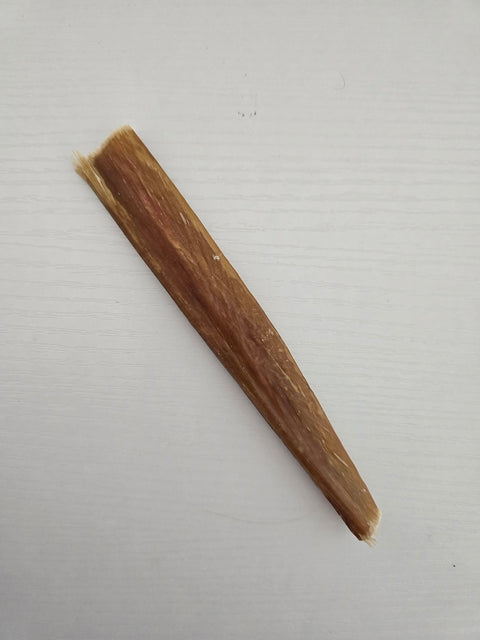
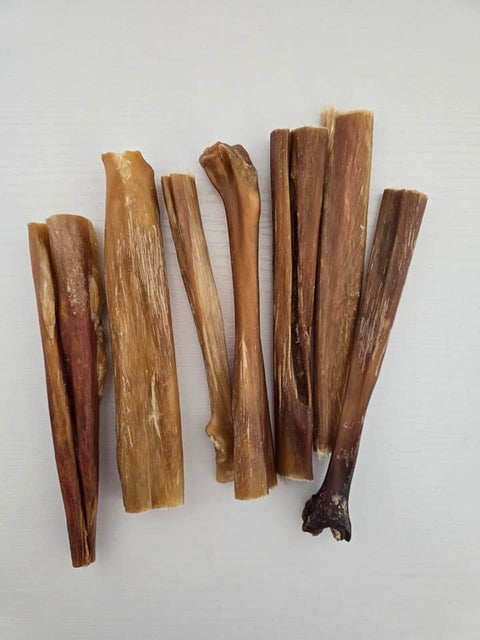
Many dogs enjoy chewing. Offering an appropriate natural dog chew gives your dog an opportunity to engage in this normal behavior while enjoying a purposeful activity.
Depending on your dog and the chew you choose, a chewing session may also provide sensory exploration and focused engagement.
However, not every chew is suitable for every dog. Consider your dog's age, size, dental health, chewing style, and preferences when selecting an option.
Keep these safety habits in mind:
-
Choose a chew appropriate for your dog's size, mouth, and chewing behavior.
-
Avoid very hard chews that may fracture teeth.
-
Supervise your dog throughout every chewing session.
-
Inspect the chew as your dog uses it and remove it if it becomes hazardous or small enough to swallow whole.
-
Consider your dog's dietary needs and the amount of treats included in their daily intake.
No natural dog chew is completely risk-free. If your dog has dental concerns, difficulty swallowing, or other health needs, ask your veterinarian which options may be appropriate.
Most importantly, remember that chewing is one part of enrichment—not a substitute for exercise, training, interaction, or rest.
2. Exercise: Opportunities to Move and Explore
Dogs need physical activity suited to their age, health, breed characteristics, and individual abilities.
For some dogs, that may include longer walks and active play. Others may do better with shorter outings, gentle movement, or activities adapted to their physical needs.
Exercise can also provide opportunities to explore the world. A walk isn't only about covering distance; allowing your dog to sniff and investigate safe surroundings can add another layer of enrichment.
Consider how movement fits into your dog's typical day:
-
Walks appropriate for their physical condition.
-
Play that suits their interests and abilities.
-
Opportunities to explore new or familiar environments safely.
-
Movement breaks throughout the day when appropriate.
A chew can complement these activities, but it cannot replace the physical activity your dog needs.
3. Mental Enrichment: Giving the Brain Something to Do
Physical exercise and mental enrichment serve different purposes. A dog may enjoy running and playing but still benefit from activities that encourage investigation, learning, and problem-solving.
Mental enrichment can be simple and practical. Try incorporating:
-
Sniffing games using appropriate treats or your dog's regular food.
-
Food puzzles suited to your dog's abilities.
-
Short, positive training sessions.
-
Supervised exploration of safe environments.
-
Interactive games that encourage your dog to think and make choices.
-
Appropriate chewing activities.
Variety can help keep your dog's routine interesting, but you don't need to introduce a new activity every day. Familiar activities can be enriching, too.
Pay attention to how your dog responds. Some dogs enjoy challenging puzzles, while others prefer straightforward activities. The goal is to offer appropriate opportunities for engagement, not to make every activity difficult.
4. Connection: Time With You Matters
Enrichment isn't always an independent activity. Your relationship with your dog is an important part of their daily life.
Play, positive training, gentle interaction when welcomed, and simply spending time together can all help build connection.
Depending on your dog's personality, connection might look like a game of fetch, practicing a few familiar cues, going for a sniff-filled walk, or relaxing together at home.
A chewing session can provide an opportunity for your dog to enjoy an activity independently while you remain nearby to supervise. But it shouldn't replace the social interaction your dog needs.
Also consider your dog's individual preferences. Some dogs enjoy lots of active interaction, while others appreciate quieter companionship. Let your dog's body language guide how you engage.
5. Rest: Quiet Time Is Essential, Too
One of the easiest parts of a balanced routine to overlook is rest.
Dogs need opportunities to sleep and relax. Puppies, senior dogs, and dogs with particular health needs may have different rest requirements, but all dogs benefit from having comfortable places where they can rest without unnecessary disturbance.
A balanced day doesn't need to be filled with constant activity.
If your dog seems restless, the answer isn't always more exercise or another enrichment activity. They may need a bathroom break, a quieter environment, adequate sleep, or help with an underlying issue.
Some dogs enjoy a suitable chew during a quiet period, but chewing is still an activity. It doesn't replace sleep or guarantee that a dog will relax.
Allow your dog time to disengage and rest naturally.
What Does a Balanced Dog Routine Look Like?
There isn't one perfect schedule for every dog. A balanced routine depends on your dog's age, physical condition, temperament, preferences, and daily circumstances.
Here is one example of how different needs might fit together:
| Part of the day | Possible activity |
|---|---|
| Morning | A walk or movement suited to your dog, with time to sniff and explore |
| After activity | Water, downtime, and an opportunity to rest |
| Midday | A short training session, scent game, or suitable puzzle |
| Quiet period | A supervised chewing session with an appropriate natural chew, if suitable |
| Afternoon or evening | Play, a walk, or another activity that meets your dog's needs |
| Throughout the day | Connection, bathroom breaks, water, and opportunities to rest |
This is an example, not a required schedule. Your dog may need a different arrangement, and the amount of activity should be appropriate for their health and life stage.
You also don't need to fit every activity into every day. Look at the overall pattern and make adjustments based on your dog's responses.
How Much Chewing Should Be Part of the Routine?
The right amount of chewing varies from dog to dog.
Consider:
Age and life stage: Puppies, adults, and senior dogs may have different needs and limitations.
Size and chewing style: A dog who gently gnaws may interact with a chew differently from a dog who aggressively crushes or gulps pieces.
Dental health: A dog with dental sensitivity or damaged teeth may need alternatives recommended by a veterinarian.
Interest and comfort: Some dogs enjoy short sessions, while others may prefer longer opportunities to chew. Duration alone doesn't determine whether a session is beneficial.
Dietary considerations: Chews contribute to overall treat intake, so account for them within your dog's diet.
Rather than choosing a fixed daily duration for every dog, observe your dog, select appropriate chews, supervise sessions, and adjust as needed.
If chewing becomes compulsive, your dog frequently tries to swallow unsuitable objects, or you notice sudden changes in chewing behavior, consult your veterinarian.
Pixie's Homework: Review Your Dog's Typical Day
Today, take a few minutes to think about your dog's usual routine.
Ask yourself:
-
Movement: Does my dog have appropriate opportunities to exercise and explore?
-
Mental enrichment: Do they get chances to sniff, learn, investigate, and solve simple problems?
-
Chewing: Do they have access to appropriate chewing opportunities that suit their individual needs?
-
Connection: Do we make time for play, interaction, and positive experiences together?
-
Rest: Does my dog have enough opportunity to relax and sleep comfortably?
You don't need to overhaul your entire schedule. Start by noticing what's already working and identifying one area that could use more attention.
Maybe your dog would enjoy a short scent game. Perhaps a quieter period would help create more space for rest. Or maybe you need to reassess whether the chews you offer are appropriate for your dog's current chewing style.
Small, thoughtful adjustments can help you build a routine that better suits your individual dog.
The Chewsy Academy Takeaway
A chew is one piece of a healthy routine, not the whole routine.
Natural dog chews can provide an appropriate outlet for chewing and an opportunity for enrichment, but dogs also need movement, mental engagement, connection, and rest.
The goal isn't to keep your dog busy every minute of the day. It's to create a balanced routine that supports their physical needs, mental engagement, and natural behaviors while respecting their individual preferences and limitations.
Know your dog, observe how they respond, and choose with intention.
Educational note: This article provides general educational information and does not replace individualized veterinary advice. Consult your veterinarian about your dog's exercise needs, dental health, chewing safety, or any significant changes in behavior.