Lesson 58: Building a Personalized Enrichment Routine for Your Dog

Building a Personalized Enrichment Routine for Your Dog
A good enrichment routine doesn't have to be complicated. It just needs to fit your dog.
Every dog has different interests, energy levels, chewing styles, and preferences. Some dogs love sniffing and exploring, while others enjoy solving puzzles, playing games, or settling down with an appropriate natural chew.
The goal of enrichment is to give your dog meaningful opportunities to use their body, brain, and natural behaviors. By combining activities your dog enjoys, you can create a routine that supports their well-being without making your schedule overwhelming.
Let’s explore how to build an enrichment routine that works for your individual dog.
1. Understand What Enrichment Means
Enrichment involves providing opportunities for dogs to engage with their environment, explore, learn, move, and express natural behaviors in appropriate ways.
It can include physical activities, mental challenges, sensory experiences, social interaction, and quiet activities such as chewing.
Enrichment doesn't have to mean buying special toys or planning elaborate activities. A sniff-filled walk, a short training session, a simple food puzzle, or a supervised chewing session can all be part of a thoughtful routine.
The best activities are safe, suitable for your dog, and enjoyable for them.
2. Include Chewing for Focused Enrichment
For many dogs, chewing is a natural behavior that can provide an engaging activity.
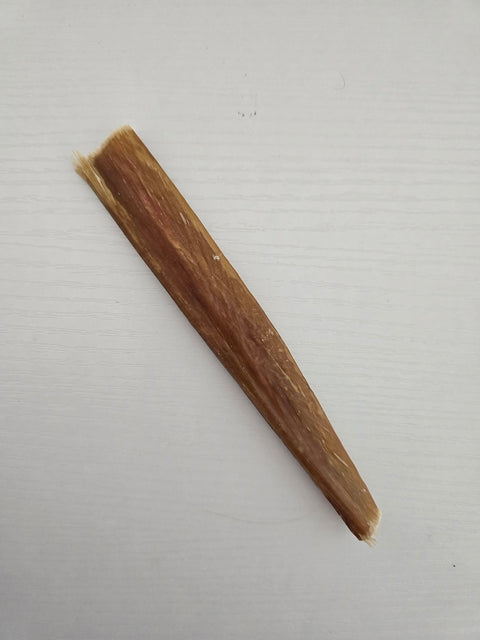
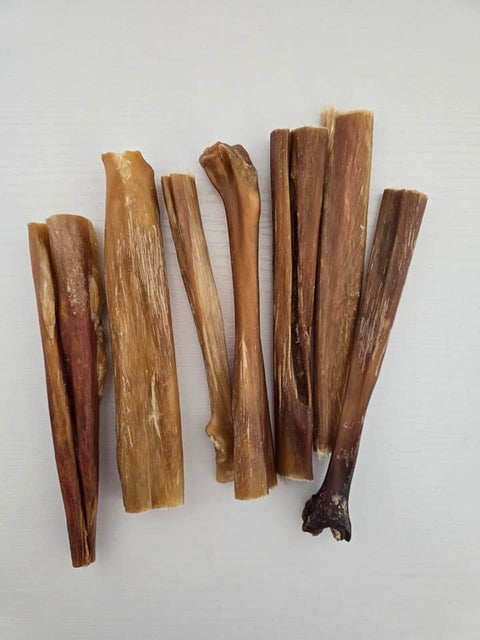
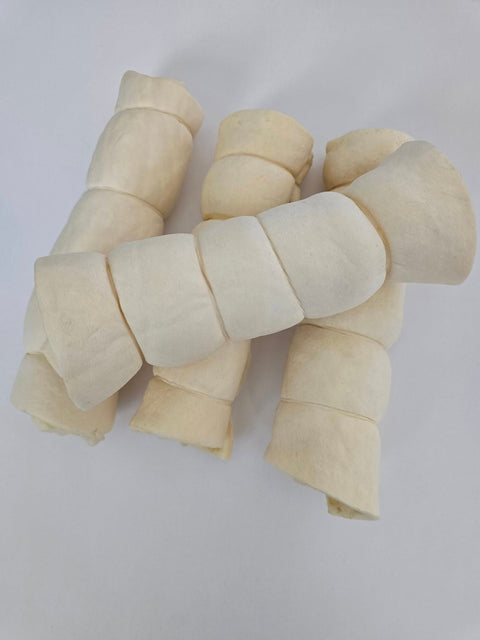
An appropriate natural dog chew can offer an opportunity for focused engagement and exploration. Different textures and shapes may create different chewing experiences, and rotating suitable options can help you learn what your dog prefers.
However, not every chew is appropriate for every dog. Consider your dog's age, size, dental health, chewing force, swallowing habits, and dietary needs when selecting one.
Supervise chewing sessions, inspect chews as they are used, and remove any that become small enough to swallow or otherwise unsafe. Very hard chews can damage teeth, and no chew is completely risk-free.
If your dog has dental concerns or other health conditions, ask your veterinarian which chewing options may be suitable.
3. Make Room for Sniffing and Exploring
Dogs experience much of their world through scent. Giving them opportunities to sniff and investigate can be a valuable part of enrichment.
You might allow extra time for sniffing during a walk, scatter a few pieces of your dog's regular food in a safe area for them to find, or encourage them to explore a new environment at a comfortable pace.
The activity doesn't have to be fast or physically demanding. For some dogs, calmly investigating scents provides an engaging experience without requiring vigorous exercise.
Always choose a safe environment, supervise outdoor exploration, and avoid areas where your dog could encounter dangerous substances, unsafe objects, or unfamiliar animals without appropriate control.
4. Offer Problem-Solving Opportunities
Problem-solving activities give dogs opportunities to investigate, learn, and work toward a goal.
Depending on your dog, this might include a suitable food puzzle, a snuffle mat, a treat-search game, or a simple training activity.
Start with a challenge your dog can manage. If an activity is too difficult, your dog may become frustrated or lose interest. If it is too easy, they may quickly move on.
Watch how your dog responds and adjust the challenge accordingly. Use food that fits their dietary needs, supervise toys and puzzles, and remove damaged items.
The purpose isn't to make every activity difficult. It's to offer a rewarding opportunity to explore and learn.
5. Include Play and Interaction
Enrichment can also strengthen the connection between you and your dog.
Depending on your dog's preferences and physical abilities, shared activities might include gentle tug with appropriate rules, fetch in a safe area, short training sessions, hide-and-seek games, or simply exploring together.
Not every dog enjoys the same kind of play. Some prefer movement and games, while others enjoy calm interaction or scent-based activities.
Follow your dog's signals and give them opportunities to pause or stop. Choose activities that suit their age, mobility, temperament, and health.
6. Use Variety Without Overcomplicating the Routine
Variety can help keep enrichment interesting, but you don't need to do every activity every day.
Instead, think about creating a small rotation of activities your dog enjoys. You might combine chewing, sniffing, and play across the week, adjusting the routine to fit your schedule and your dog's needs.
For example:
-
Monday: A supervised chewing session and a sniff-focused walk.
-
Tuesday: A short food puzzle and a training game.
-
Wednesday: Exploring a new walking route or a safe outdoor area.
-
Thursday: A familiar favorite chew and relaxed interaction.
-
Friday: A treat-search game and a short play session.
-
Weekend: Choose activities based on your dog's energy, interest, and comfort.
This is only an example, not a schedule you must follow. Your dog may benefit from a different balance, and some activities may be repeated more often than others.
Consistency matters more than filling every day with new experiences. Familiar activities can be enriching, too.
7. Personalize the Routine to Your Dog
A useful enrichment routine begins with observation.
Ask yourself:
-
What activities does my dog naturally seek out?
-
Does my dog enjoy sniffing, chewing, play, training, or exploring most?
-
How much activity suits their age, health, and energy level?
-
Does my dog need more opportunities for calm engagement or movement?
-
Which activities seem to hold their interest without causing frustration?
-
Are there activities or objects I should avoid for safety reasons?
Your answers can help you build a routine around your dog's individual needs rather than following a generic checklist.
Remember that preferences can change. Puppies, adult dogs, and senior dogs may need different activities, and a dog's interests or physical abilities may change over time. Revisit your routine occasionally and make adjustments as needed.
If you notice a sudden change in activity, interest, mobility, or behavior, consult your veterinarian rather than assuming your dog simply needs more enrichment.
Pixie's Homework: Choose Three Favorite Activities
Choose three enrichment activities your dog enjoys. For example, you might select a suitable natural chew, a sniffing game, and a favorite play activity.
Think about how you could rotate these activities throughout the week.
You don't need a complicated planner or a long list of supplies. Start small, observe your dog, and notice which activities seem to provide the most enjoyment.
As you learn more about your dog's preferences, you can adjust the routine to keep it practical and rewarding.
Chewsy Academy Takeaway
A personalized enrichment routine gives your dog opportunities to chew, sniff, explore, solve problems, play, and engage with the world in ways that suit their individual needs.
You don't have to do everything every day. Start with activities your dog enjoys, build in variety where it makes sense, and adjust as your dog grows and changes.
The best enrichment routine isn't the busiest one—it's the one that meets your dog's needs.
At Chewsy Chews, we believe understanding your individual dog is the foundation of thoughtful chewing and enrichment. Keep observing, keep learning, and build a routine that works for both of you.
Chewsy Chews provides educational information to help dog parents make informed decisions about natural chewing and enrichment. This content is not a substitute for individualized veterinary advice.