Lesson 56: Why Variety Matters When Choosing Natural Dog Chews

Why Variety Matters When Choosing Natural Dog Chews
Would you want to eat the exact same thing every day? Your dog might appreciate a little variety, too!
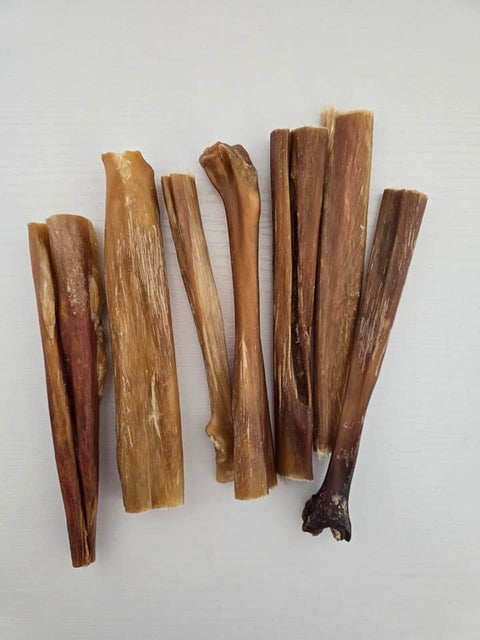
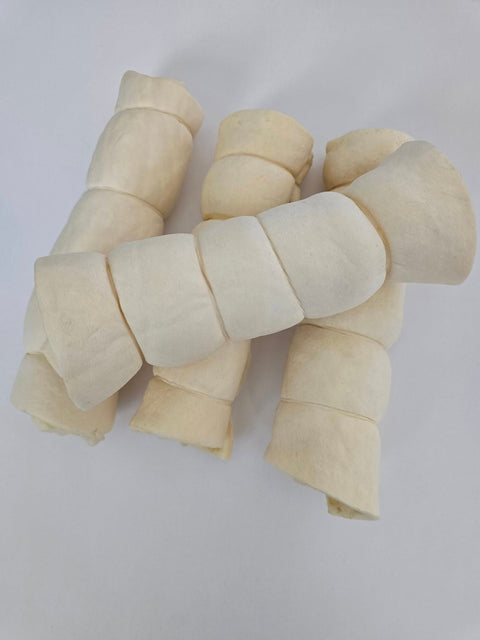
Natural dog chews can provide more than something for your dog to gnaw on. Different chews offer different textures, chewing experiences, and opportunities for exploration. Thoughtfully rotating appropriate options can help keep chewing engaging while allowing you to learn more about your dog’s preferences.
But variety isn’t about offering every chew available. It’s about choosing options that suit the individual dog in front of you.
1. Variety Helps Keep Chewing Interesting
Imagine having the same activity available every day. Eventually, you might want something different!
Dogs can also respond differently to different chewing experiences. One chew may encourage steady, focused gnawing, while another texture may inspire more sniffing, investigating, and repositioning.
Offering a selection of appropriate chews can introduce new experiences and help prevent your dog’s routine from becoming too predictable.
Remember, every dog is different. Some dogs enjoy variety, while others have a clear favorite. Let your dog’s behavior guide your choices.
2. Different Chews Offer Different Enrichment Experiences
Mental enrichment gives dogs opportunities to use their natural behaviors, explore their surroundings, and engage with interesting activities.
A new chew may invite your dog to investigate its scent, explore its texture, and work out how to hold and enjoy it. These experiences can add interest to your dog’s routine.
Chewing can be one part of a well-rounded enrichment plan, alongside activities such as sniffing games, food puzzles, training, walks, and interactive play.
Variety is useful because enrichment isn’t only about keeping your dog occupied. It’s also about providing appropriate opportunities to explore and engage.
3. Your Dog’s Preferences Can Change
Your dog’s favorite chew today may not remain their favorite forever.
Preferences can change as dogs grow, mature, and experience changes in their comfort, dental health, activity level, and daily routine.
A puppy exploring the world may interact with chews differently from an adult dog. A senior dog may need options that better accommodate changes in their teeth, mouth, or comfort.
Even dogs in the same life stage can have very different preferences.
Pay attention to what your dog chooses, how they interact with each chew, and whether their habits change. These observations can help you make more thoughtful decisions over time.
4. Build a Thoughtful Chew Rotation
A chew rotation doesn’t need to be complicated. You can start with two or three options that are appropriate for your dog and that they enjoy.
When choosing options, consider:
-
Age and life stage: Is the chew appropriate for your dog’s current developmental stage?
-
Size and shape: Is it suitable for your dog’s mouth, and can your dog manage it without an increased risk of choking or swallowing it whole?
-
Dental health: Is the chew appropriate for your dog’s teeth and any known dental concerns?
-
Chewing style: Does your dog chew gently, moderately, or with intense force?
-
Texture and hardness: Is the material suitable for your individual dog? Very hard chews can damage teeth.
-
Individual preferences: Does your dog show interest in the chew and interact with it comfortably?
-
Dietary needs: Does the ingredient fit your dog’s known sensitivities and dietary restrictions?
You don’t need to introduce several new chews at once. Try one new option at a time so you can observe your dog’s response and notice any unwanted reactions.
5. Variety Doesn’t Mean Every Chew Is a Good Choice
This is one of the most important lessons in building a chew rotation: variety should never come before suitability and safety.
A chew that is appropriate for one dog may be unsuitable for another. Size alone doesn’t determine whether a chew is a good match. Your dog’s chewing force, dental health, swallowing habits, and ability to manage the chew all matter.
Supervise your dog whenever they chew. Follow the product’s guidance, inspect the chew as your dog uses it, and remove it if it becomes small enough to swallow, develops dangerous fragments, or otherwise becomes unsafe. No natural chew is completely risk-free.
If your dog has dental disease, a history of swallowing chews whole, food sensitivities, or other health concerns, ask your veterinarian for guidance on suitable options.
6. Observe How Your Dog Uses Each Chew
The best way to build a useful rotation is to get to know your dog.
Notice whether your dog eagerly investigates a chew, settles into focused chewing, loses interest quickly, or struggles to hold it comfortably. Compare how your dog responds to different textures and shapes.
These observations can help you identify preferences and recognize when an option may not be a good fit.
You may also discover that your dog prefers one chew for a short, supervised activity and another for a different type of chewing experience. There is no need to force variety if your dog consistently prefers a smaller selection of appropriate options.
The goal is not to collect the most chews. It’s to choose well.
Pixie’s Homework: Try a Mini Chew Rotation
Choose two or three appropriate chews your dog already enjoys, or introduce one new option that suits their needs.
Observe how your dog interacts with each one:
-
Which texture gets the biggest reaction?
-
Does your dog investigate one chew more carefully than another?
-
Which option holds their interest?
-
Does your dog handle each chew comfortably and safely?
Keep your dog supervised throughout every chewing session, and stop if a chew appears unsuitable.
You’re not trying to find one perfect chew for every situation. You’re learning what works for your individual dog.
Chewsy Academy Takeaway
Variety can keep chewing interesting, offer different enrichment experiences, and help you adapt as your dog’s preferences change. But a good chew rotation always starts with your dog’s individual needs.
Variety keeps chewing interesting, but the right variety starts with knowing your dog.
Keep observing, keep choosing thoughtfully, and remember that your dog’s needs—not the number of options—should guide your decisions.
Chewsy Chews is here to help dog parents make more informed choices about natural chewing, enrichment, and everyday wellness. Educational content is not a substitute for individualized veterinary advice.